


Gambling's hidden influence on societal values and norms
The Evolution of Gambling in Society
Gambling has undergone a significant transformation over the centuries, evolving from ancient rituals to a mainstream entertainment option. Historically, societies engaged in various forms of betting as a means of divination or to display wealth and social status. This evolution reflects broader societal shifts, highlighting the interplay between economic conditions and cultural perceptions of luck and chance. As gambling became more accessible, it also started influencing social dynamics, marking a transition from a taboo to a normalized activity. Players looking for an exciting experience can turn to BreakWin Casino, which embraces this new era of gaming.
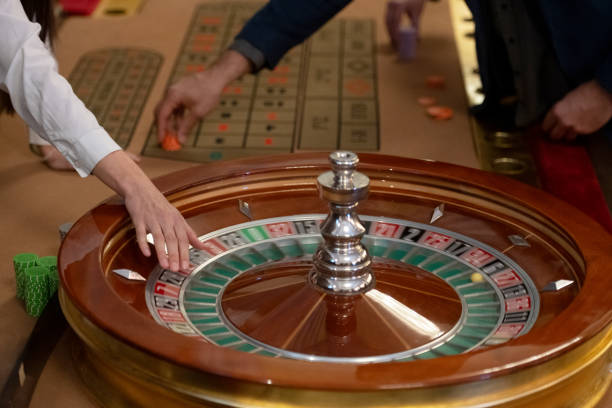
In modern times, gambling has penetrated various aspects of daily life, often seen in sports, online platforms, and casual betting among friends. This widespread acceptance signals a shift in societal norms, where the lines between entertainment and risk-taking blur. Gambling has transformed into a multi-billion dollar industry, shaping economic trends and providing states with substantial revenue through taxes. The changing attitudes toward gambling also underscore the increasing influence of marketing and technology in reshaping cultural perceptions.
The legalization of gambling in numerous regions further reflects its ingrained place in contemporary society. Governments recognize the potential economic benefits while grappling with the social implications of widespread gambling access. As public policy continues to adapt, so too does the societal narrative surrounding gambling, revealing both its attractions and pitfalls. The delicate balance between promoting economic growth and mitigating the adverse effects of gambling addiction serves as a testament to its complex role in shaping societal values.
The Role of Luck vs. Skill in Gambling
The debate between luck and skill in gambling is a fundamental aspect that influences perceptions and participation. Many traditional forms of gambling, such as lotteries and slot machines, primarily rely on chance, fostering the belief that anyone can win. This perception encourages participation across various demographics, reinforcing the idea that luck is a viable path to financial success. People often romanticize the notion of hitting the jackpot, thus embedding gambling deeper into the cultural consciousness.
On the other hand, games like poker and blackjack emphasize strategy and skill, attracting players who prefer a calculated approach. This distinction shapes the identity of gambling within society; those drawn to skill-based games often develop a sense of community and mastery. The existence of professional gamblers and their portrayal in media further glamorizes the skilled aspect of gambling, portraying it as a profession rather than mere chance. This dichotomy between luck and skill enriches the narrative around gambling, making it both an appealing and contentious topic.
Understanding how these two elements coexist and influence each other is crucial. While luck can drive initial participation, skill often leads to sustained engagement and a deeper relationship with gambling. This creates a layered societal dynamic, where individuals grapple with the tension between reliance on fortune and the pursuit of skill. The intertwining of these elements contributes to the broader discourse on gambling, illustrating its multifaceted impact on societal values and individual behaviors.
The Cultural Impact of Gambling
Gambling’s influence extends beyond individual behavior to shape cultural narratives and social values. Through various forms of media, gambling is often glamorized, depicting it as an exhilarating, high-stakes endeavor that embodies freedom and adventure. These portrayals contribute to a cultural acceptance of gambling as an essential component of adult life, further normalizing its presence in social gatherings and entertainment venues.
Moreover, gambling has found its way into popular culture, influencing fashion, music, and even language. The lexicon surrounding gambling—terms like “bet,” “jackpot,” and “bluff”—has integrated into everyday conversation, reflecting its pervasiveness. This integration into culture signifies not just a pastime but a shared experience that resonates across different demographics, impacting how individuals view risk, reward, and success.
The interplay between gambling and cultural identity is particularly pronounced in regions with rich gaming histories. In these areas, local customs and traditions often celebrate gambling, creating a unique cultural tapestry that honors both its recreational aspects and its deeper societal implications. This cultural significance underscores how gambling can act as a mirror, reflecting broader societal values such as individualism, competition, and the pursuit of wealth.
The Psychological Effects of Gambling
The psychological impact of gambling is profound, affecting individuals and communities alike. The thrill of placing a bet can trigger excitement and anticipation, releasing dopamine in the brain and creating a sense of euphoria. This rush can lead to repeated behavior, as players chase the exhilarating feeling associated with winning. However, this aspect of gambling also raises concerns about addiction and the psychological consequences of loss, as individuals may find themselves trapped in a cycle of seeking to recapture that initial high.
Additionally, gambling can alter one’s perception of risk and reward. Players may develop cognitive biases, such as the illusion of control, believing they can influence outcomes in games of chance. This misjudgment can lead to reckless behavior, where individuals make increasingly irrational betting decisions. The psychological complexities of gambling illustrate the need for a deeper understanding of its effects on human behavior and social interactions, emphasizing the dual nature of risk-taking.
The broader societal implications of gambling-related psychological effects include issues such as financial instability and strained relationships. Communities with high rates of gambling often face unique challenges, including increased instances of crime and social dislocation. These consequences highlight the need for responsible gambling measures and awareness campaigns, stressing the importance of understanding the psychological underpinnings of gambling behavior.

BreakWin Casino: A Modern Approach to Gambling
BreakWin Casino exemplifies the modern evolution of gambling, catering to a diverse audience while prioritizing user experience. By offering a wide array of games, from slots to live dealer options, it taps into the varying preferences of players. This emphasis on variety not only enriches the gaming experience but also encourages engagement across different demographics, further normalizing gambling within contemporary society.
The platform’s focus on local banking options enhances accessibility, allowing players to deposit and withdraw funds conveniently. This approach not only fosters a sense of community among Australian players but also reinforces the idea of gambling as an entertaining and engaging pastime rather than a problematic behavior. By providing generous bonuses and promotions, BreakWin Casino enhances player engagement, creating an environment that promotes responsible play while also offering substantial rewards.
Ultimately, BreakWin Casino reflects a shift in gambling culture, where technology and accessibility converge to create a dynamic gaming environment. As society continues to navigate the complex relationship between gambling and social norms, platforms like BreakWin Casino illustrate the potential for responsible enjoyment. By emphasizing user engagement and local relevance, it contributes to the ongoing dialogue about gambling’s impact on societal values and norms, positioning itself as a leader in the evolving landscape of online gaming.